
Related Posts

Trendy sunglasses and frames 2026
2026 рік у світі оптичної моди — це сміливість, геометрія та впевненість у собі. Сонцезахисні окуляри та оправи стають справжнім архіте...

Screen Distance - A feature on your IPHONE that takes care of your eyesight
Screen Distance: smartphone technology that protects your eyesight
The smartphone has become our daily companion - work, communication, news, study...

5 signs of vision impairment in children
Більшість дітей не скаржаться на погіршення зору — вони просто звикають до розмитої картинки та не знають, що має бути інакше. Саме том...
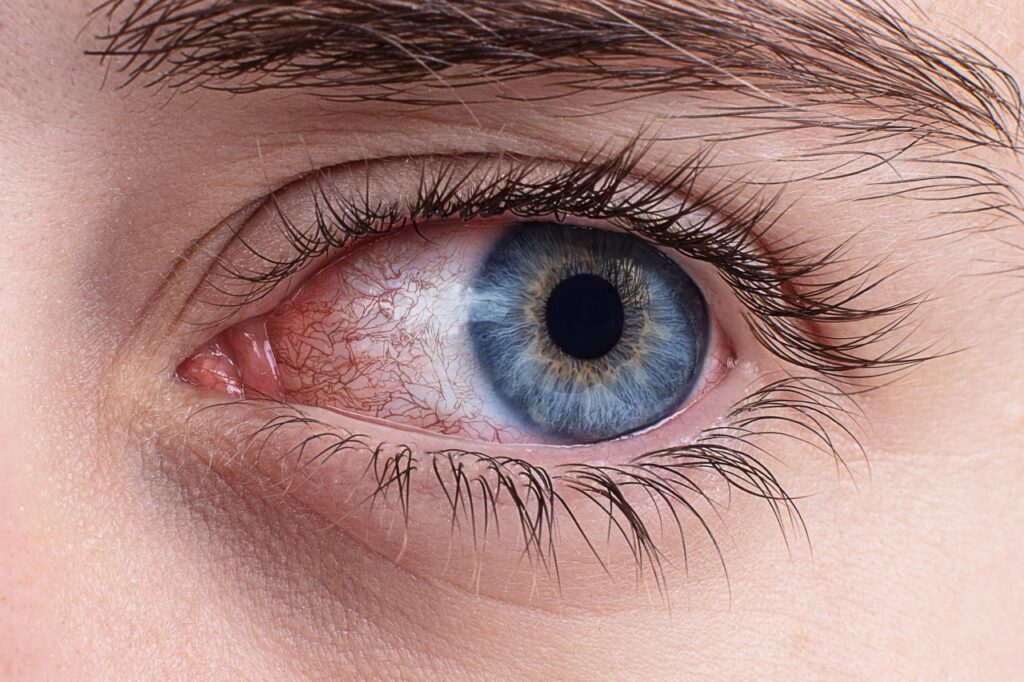
Dry eye syndrome : 1. causes 2. symptoms 3. effective treatment with moisturizing drops
Dry eye syndrome: why it occurs and how moisturizing drops help
In the XXI century, almost everyone faces an overload of...

Glasses or contact lenses - what to choose?
Modern optics offers a wide range of vision correction products, and the two most popular options are glasses and contact lenses. Both of them are a variety of...
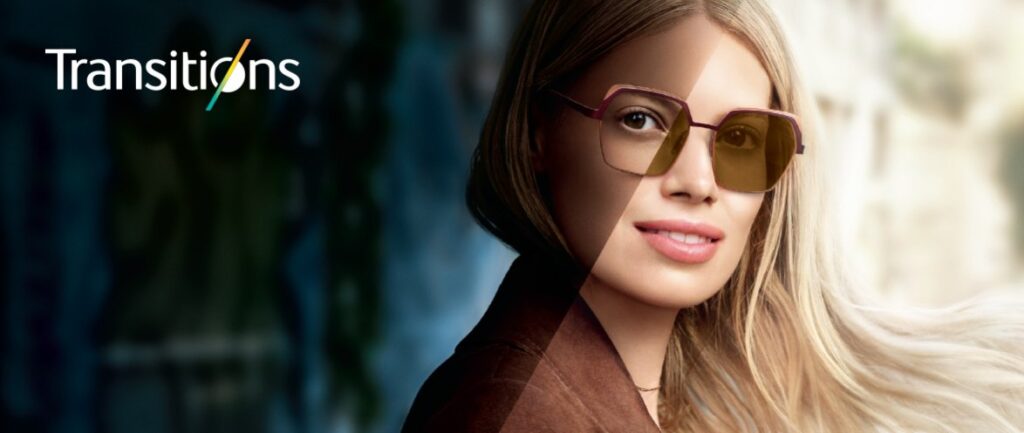
Photochromic lenses (chameleons) for glasses: solution #1 for your eyes
Фотохромні лінзи для окулярів — що це і як вони працюють?
Сонце світить — лінзи темніють. Ви заходите в приміщення — і вони знову пр...
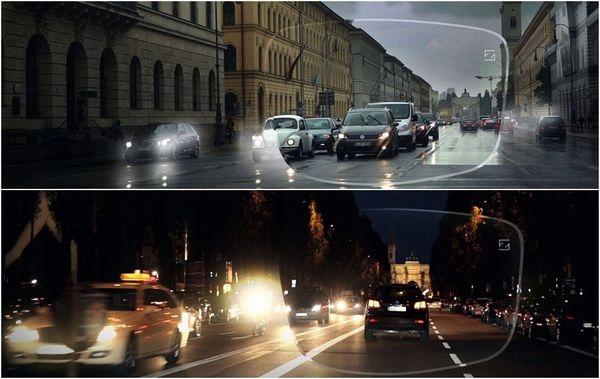
Polarized lenses: what they are and why they are needed🕶
🕶 Polarized lenses for glasses: what they are and who needs them
Polarized lenses are a special type of sunglasses that not only ...

Summer has already begun... And you still don't have sunglasses?
Don't worry - you will definitely find yours in Optika Pro.
New collections of sunglasses from leading brands: RayBan, Polaroid, Trussardi, G...
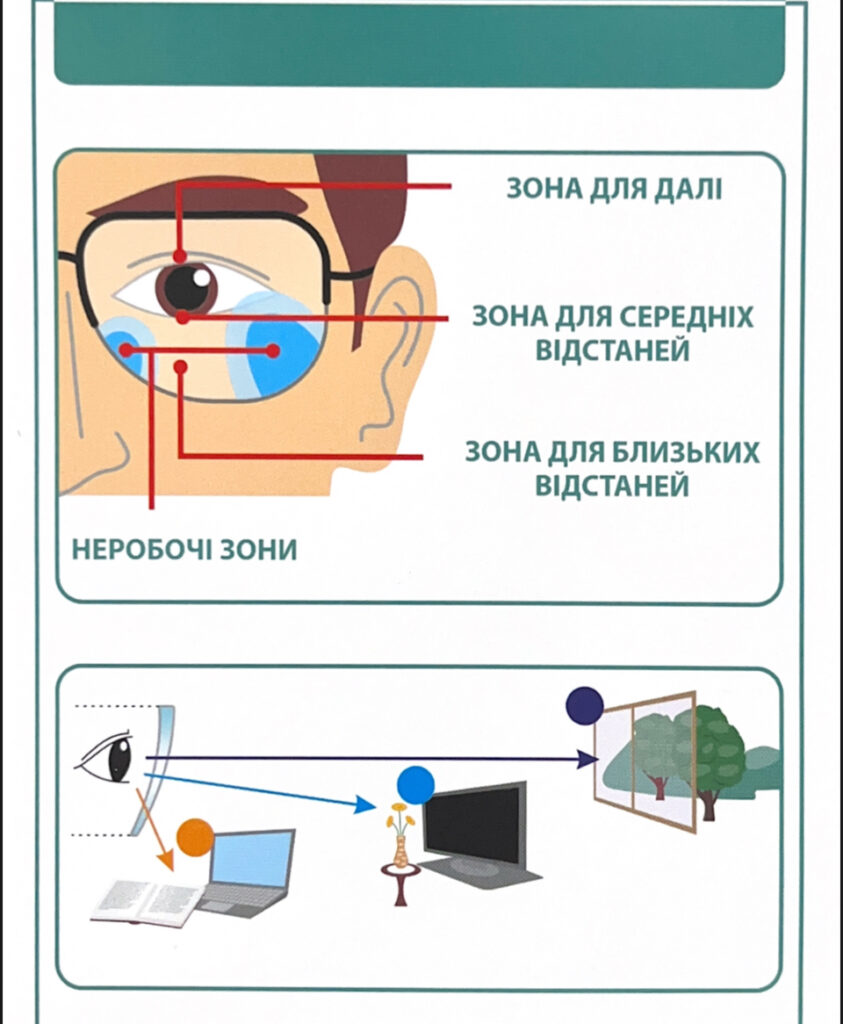
Memo for the user of the first progressive glasses
Вам виповнилось 40+, і ви помітили: книга тепер зрозуміліша на витягнутій руці, а дрібний шрифт читати дедалі складніше. При цьому дале...
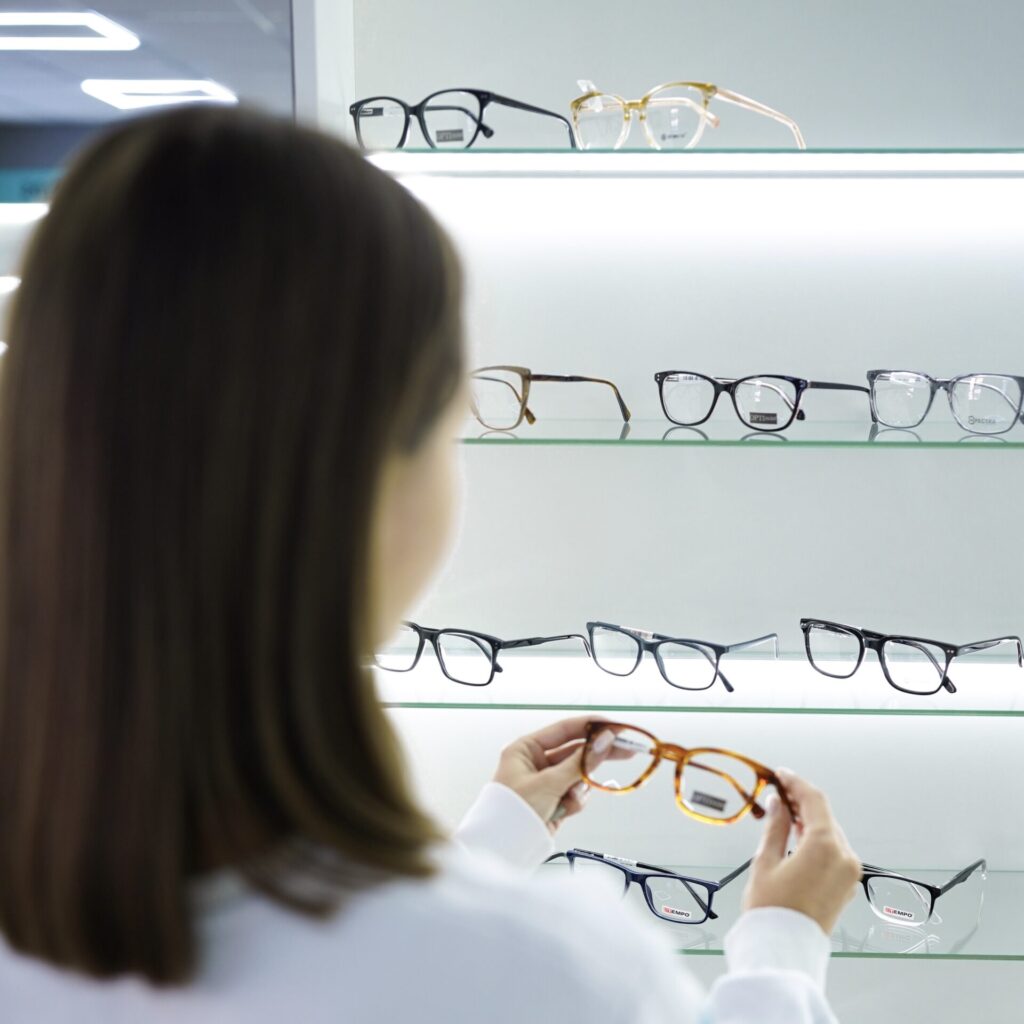
Vision glasses should be customized - just like your vision. READY-MADE GLASSES? ABSOLUTELY NOT!
Why don't we recommend off-the-shelf glasses?
Because your vision is unique, and only professionally fitted lenses can provide the correct correction...
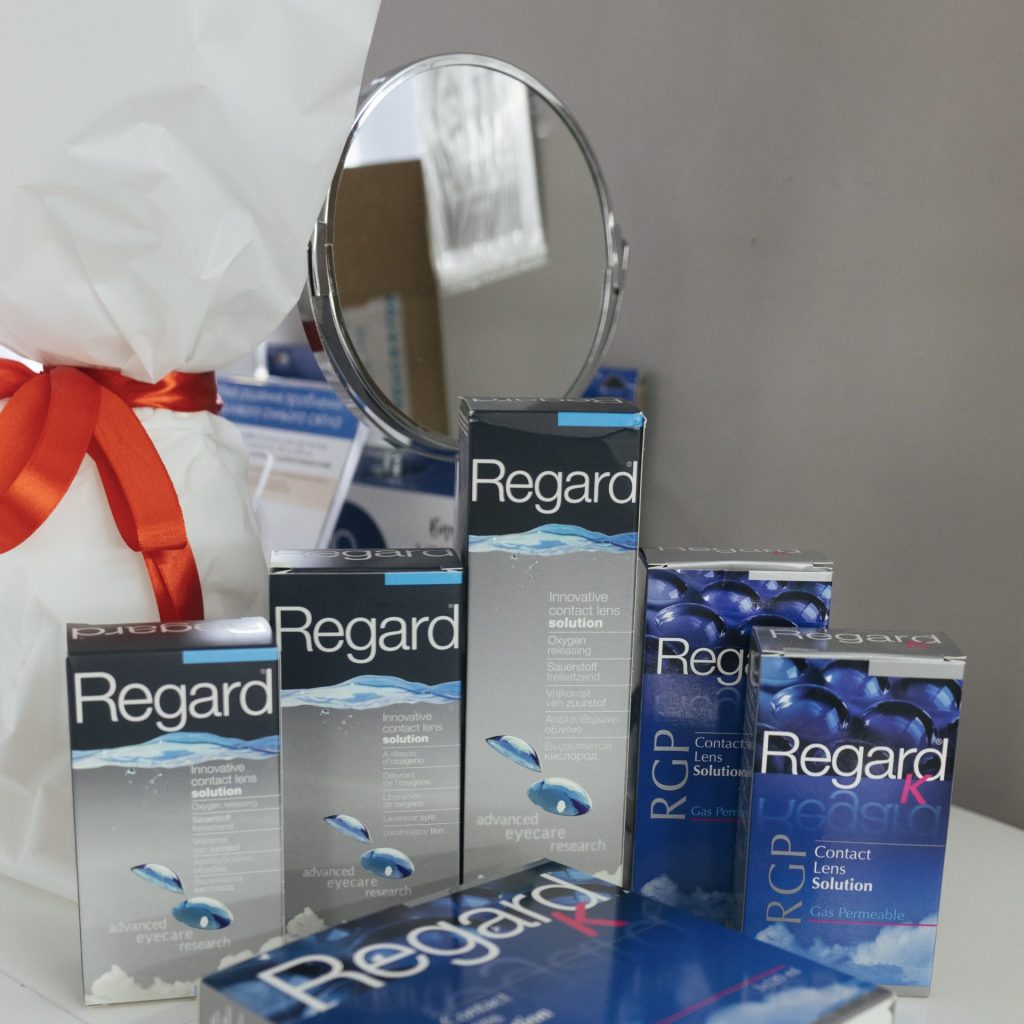
Contact lenses and what you need to know before using them?
Contact lenses for vision: a comfortable solution for everyday vision
Contact lenses are a modern and comfortable alternative to glasses that can be used to...
Quality glasses - Why is it a great investment in your vision?
👓 Quality glasses - Why is it a great investment in your vision?
In our dynamic world, we are increasingly faced with visual overload: e...